


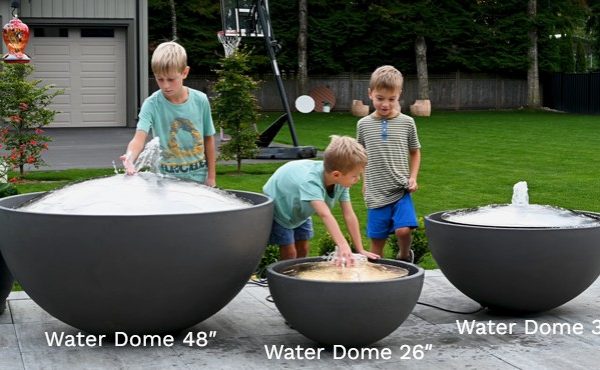
A water feature can make a courtyard feel composed before a guest reaches the entry. It can soften the hard geometry of a pool terrace, give a hotel arrival sequence a memorable focal point, or bring movement to a landscape designed around stillness. But water features are not simply ornamental objects. They are permanent assemblies of material, plumbing, electrical coordination, waterproofing, and finish work. Their long-term success depends on treating them accordingly.
For a luxury residence or commercial project, the visual decision is often straightforward: a clean-lined water bowl, a monolithic fountain, a scupper wall, or a water dome can establish the desired architectural language immediately. The more consequential decisions sit below the surface. Material selection, basin construction, drainage, pump access, water chemistry, and winter operating conditions determine whether that statement remains refined over time.
Water Features Begin With the Site
The best form for a water feature is rarely selected in isolation. It should respond to the site’s architecture, circulation patterns, ambient sound, wind exposure, and available service access. A quiet reflecting element may suit a compact urban courtyard, while a stronger spill or dome can hold its own beside an active pool deck, restaurant patio, or hotel entrance.
Scale matters as much as style. A feature that is too small can disappear within a large hardscape. One that is oversized can crowd circulation, overwhelm planting, or introduce sound levels that feel intrusive rather than calming. Designers should consider the viewing distance, the height of adjacent walls, and the relationship between the feature’s horizontal mass and nearby furniture, fire elements, or architectural openings.
Water behavior also changes with the environment. Wind can break a smooth water sheet, push spray onto walkways, and increase evaporation. In exposed coastal locations, salt air and persistent moisture increase the importance of non-corroding components and durable finishes. A feature near a seating area may need a softer, lower-volume sound profile than one intended to animate a public arrival zone.
Material Performance Is a Design Requirement
Concrete is a natural choice for contemporary water features because it carries visual weight without relying on decorative excess. Its value, however, depends on how it is made.
Not all concrete construction performs the same way outdoors. Layered glass fiber reinforced concrete, commonly called GFRC, is often lightweight and familiar to fabricators. Yet its layered composition and more porous structure can create vulnerabilities over years of exposure, particularly in freeze-thaw climates and wet environments. Water intrusion, surface wear, cracking, and delamination are not abstract concerns when a feature cycles through seasonal temperature changes.
Ultra High Performance Concrete, or UHPC, is a different construction standard. Its dense, non-porous composition provides a more resilient foundation for exterior architectural products. A handcast UHPC feature is not simply a concrete shell with a finished surface. It is a monolithic poured form engineered for strength, durability, and a consistent material character throughout.
That distinction matters when the feature will sit beside a pool, endure winter shutdowns, or operate in a region where moisture and temperature swing dramatically. It also matters on commercial projects, where a failed finish or difficult replacement can disrupt guest experience and create unnecessary operational cost.
A premium material does not eliminate the need for correct installation and maintenance. It does provide a substantially stronger starting point. The objective is not merely to make a feature look convincing on opening day. It is to specify a product that continues to look intentional after years of weather, cleaning, and daily use.
Finish Variation Should Be Expected
Handcast concrete has character. Subtle tonal variation, pinholes, and changes in surface expression are part of an authentic cast material, not defects to be disguised. Color selection should be reviewed against the larger palette of the project, including paving, cladding, pool coping, planting, and exterior lighting.
Lighter colors can emphasize form and stay visually crisp in shaded settings, though they may show environmental staining more readily. Darker finishes can create a more dramatic reflective surface, but dust, mineral deposits, and dried splash marks may be more visible. There is no universally correct choice. The right finish is the one that supports the project’s maintenance expectations as well as its visual direction.
Design the Water System Before the Hardscape Is Final
A water feature should never be treated as a final landscape accessory added after the primary construction decisions are complete. It needs a coordinated system behind it.
The pump must be correctly sized for the desired water effect, elevation change, plumbing run, and anticipated flow loss. Oversizing can create excessive noise, splash, and energy use. Undersizing can leave a spillway looking weak and inconsistent. Variable-speed pumps can offer useful control where sound and flow need to change throughout the day, although they add another layer of equipment selection and commissioning.
Access is equally important. Pumps, filters, valves, electrical connections, and auto-fill components require service access that does not involve removing finished stone, dismantling a basin, or disturbing a planted area. A clean design is not one that hides every mechanical component permanently. It is one that conceals equipment while allowing qualified technicians to reach it efficiently.
Water containment deserves the same discipline. The basin must be properly waterproofed, sized for displacement and splash, and detailed with overflow and drainage in mind. In many installations, the basin is a custom-built site component, while the visible concrete form is the architectural element. Both must be designed as one system.
For scuppers, falls, and water walls, the receiving basin must also account for the water’s trajectory. Even a slight shift in lip level or flow rate can send water beyond the intended catch area. This is particularly relevant in locations where wind, guest traffic, or surrounding finishes make overspray unacceptable.
Maintenance Is Part of Ownership Value
A well-specified feature should be straightforward to care for, but no water feature is maintenance-free. Leaves, pollen, mineral content, sunscreen residue, algae, and airborne debris all affect water quality and surface appearance. In a hospitality setting, where the feature is visible every day, maintenance protocols should be established before turnover rather than improvised after the first season.
Routine care typically includes checking water level, clearing debris, maintaining filtration, and monitoring water chemistry appropriate to the system. Hard water can leave mineral deposits along spill edges and on surrounding concrete. Addressing these deposits early with approved, non-abrasive cleaning practices is far easier than allowing buildup to become entrenched.
Winterization is essential in cold-weather regions. The exact process depends on the feature type, plumbing configuration, and whether the system remains operational through the season. In many cases, lines must be drained, equipment protected, and standing water managed to prevent freeze-related damage. Product durability and correct winter procedures work together. Neither replaces the other.
Residential and Commercial Priorities Differ
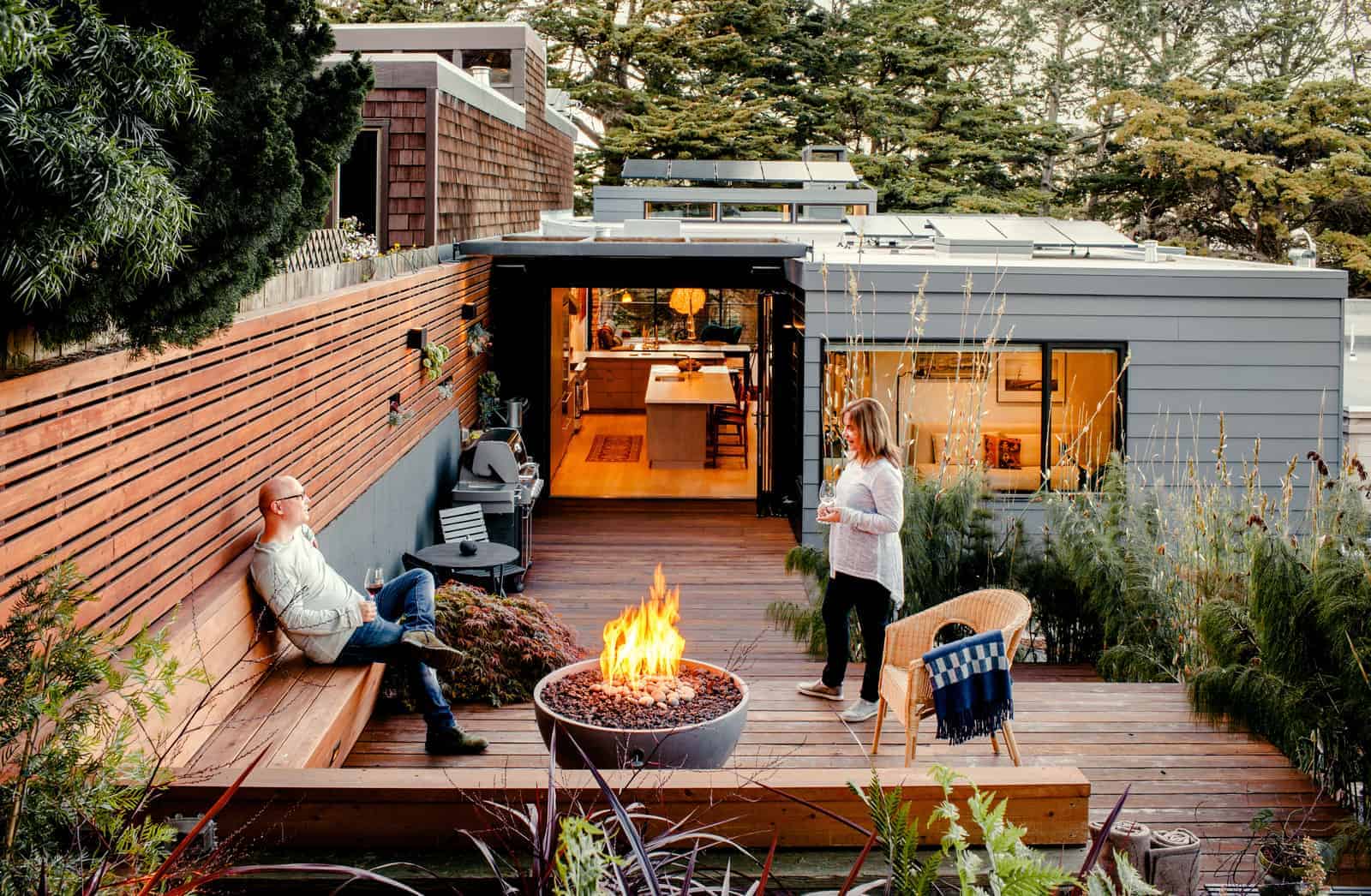
Homeowners often prioritize atmosphere, privacy, and a feature that complements how they use the outdoor space. A water bowl near a lounge area or pool can introduce movement without turning the yard into a resort set. For these projects, simple controls and accessible maintenance are often as valuable as visual impact.
Commercial and hospitality projects add another layer of responsibility. The feature must perform under heavier use, support consistent maintenance, and coordinate with life-safety, accessibility, and operational requirements. Public-facing installations also need clear decisions around splash zones, slip resistance, equipment security, drainage, and staff access.
For both applications, the most expensive mistake is selecting a feature solely from an image. A beautiful form without clear installation requirements, material credentials, or accountable support can transfer risk to the contractor and owner. Solus Decor approaches these products as architectural assemblies, pairing design-led concrete forms with the practical information needed to specify and install them correctly.
Specify for the Conditions You Actually Have
The strongest water feature projects begin with direct questions. What climate will the feature experience? What water effect is intended? Where will service equipment live? Who is responsible for the basin, plumbing, electrical work, and waterproofing? How will the feature be cleaned, winterized, and recommissioned?
Those questions may seem procedural, but they protect the design. They ensure the finished installation delivers more than an attractive object. It becomes a durable architectural element with the material integrity, technical coordination, and calm visual authority the space deserves.
When a water feature is selected with those realities in mind, it does more than add movement to a landscape. It gives the project a lasting sense of arrival, scale, and intention.
Have any questions?
Get in contact with the sales team to find out more about our products
or ask us in the chat at lower right of this screen.
Up Next

Sunday Times, November 2018
November 27, 2018

English Garden, August 2017
August 9, 2017
Dwell Magazine Online
November 28, 2016

LA Times
June 14, 2016

Salone LLC
August 7, 2026